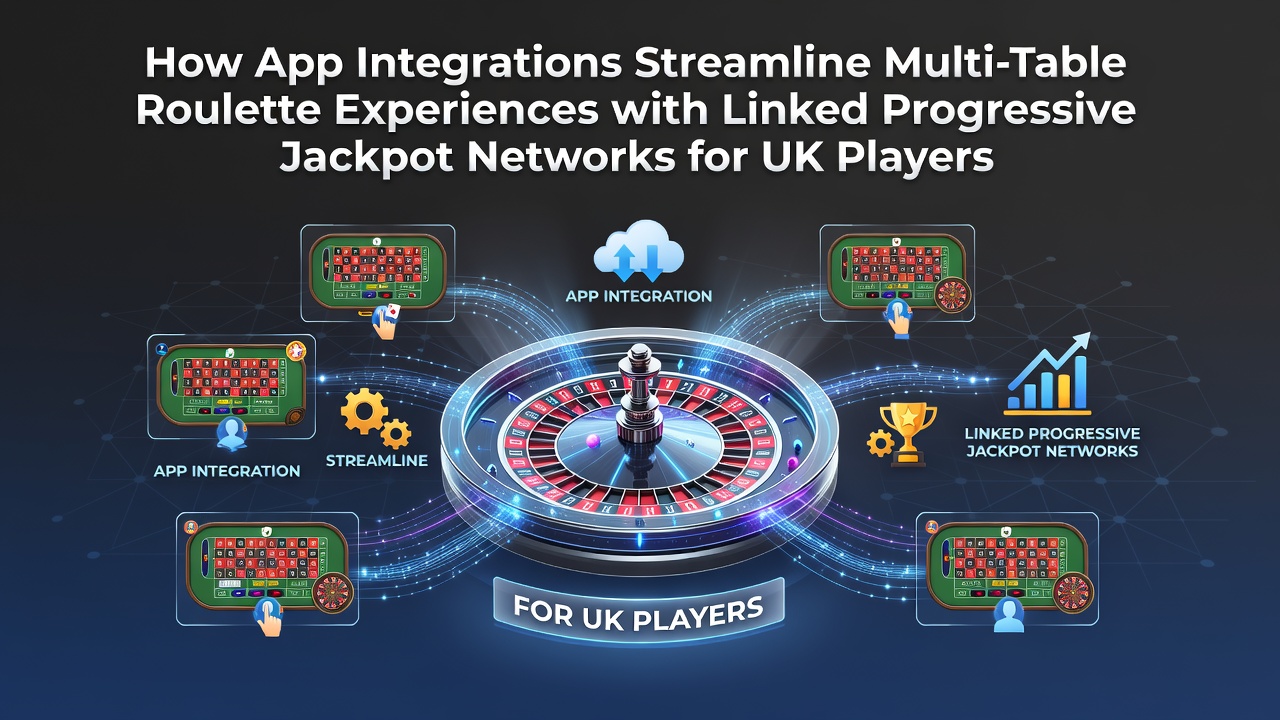
Mobile App Connections Transforming Multi-Table Roulette and Progressive Jackpot Networks for UK Users
App integrations have altered how UK players navigate multiple roulette tables while tapping into linked progressive jackpot networks that pool contributions across different games and sessions. These systems rely on backend software that syncs user accounts with real-time data feeds from various tables and jackpot pools, allowing seamless transitions without separate logins or balance checks. Data from industry reports shows that such connections reduce loading times between tables by up to 40 percent in many implementations, according to metrics shared by technology providers in 2025.
Core Mechanics Behind Integrated Roulette Platforms
Developers build these applications around APIs that link individual roulette instances to central jackpot servers, which means a single spin on one table can contribute to a shared prize pool visible across several other tables simultaneously. Players switch between European, American, and French variants through one dashboard while the app maintains continuous tracking of jackpot growth and personal bet history. Research from gaming technology firms indicates that this setup supports up to eight concurrent tables on mid-range devices without noticeable lag, and the same infrastructure handles progressive contributions that reset only after major wins occur.
Security protocols within these apps encrypt transaction data and session details before they reach the jackpot network, which prevents unauthorized access while complying with standards set by bodies like the Malta Gaming Authority. Updates rolled out in August 2026 introduced enhanced cross-table analytics that display historical jackpot hit frequencies alongside live odds, giving users clearer views of network activity without leaving the main interface.
Progressive Jackpot Networks and Their Technical Links
Linked progressive systems collect small percentages from each qualifying bet across connected tables, and the app displays the accumulating total in a persistent header that updates every few seconds. This structure allows a jackpot triggered on one table to affect the entire network, with payouts distributed according to pre-set contribution ratios that software algorithms calculate automatically. Figures from the European Gaming and Betting Association reveal that networks spanning multiple operators saw average jackpot sizes increase by 25 percent year-over-year through 2025, driven largely by higher participation rates enabled by mobile access.

App developers integrate push notifications that alert users when jackpot thresholds are crossed or when a table shows elevated activity, which keeps participants engaged across sessions without requiring constant manual checks. Those who've examined these networks note that the underlying database architecture uses distributed ledger elements in some cases to log every contribution, creating an audit trail that regulators in various jurisdictions can review. One study released by the University of Nevada's gaming research center highlighted how such transparency measures reduced dispute rates in linked jackpot environments by streamlining verification processes.
Benefits for Multi-Table Sessions in UK Contexts
UK players gain access to consolidated views that combine bet placement, table selection, and jackpot monitoring into a single workflow, which eliminates the need to manage separate windows or accounts for different roulette variants. The integration handles currency conversions and stake limits automatically based on user location data, while maintaining compliance with regional requirements through geofencing features. Observers note that this approach supports extended play periods because the app minimizes interruptions from manual account syncing or jackpot balance queries.
Additional modules within these applications provide historical performance data pulled directly from the progressive network, allowing users to review past contributions and win distributions across tables. Data shared by the Canadian Gaming Association indicates that similar integration patterns in North American markets produced measurable rises in session duration during 2025 testing phases, and UK platforms adopted comparable frameworks shortly afterward. What's interesting is how the same backend connections also enable tournament-style events where multiple players compete across linked tables for a portion of the progressive pool.
Future Developments and Network Expansions
Industry sources point to ongoing work on AI-driven table recommendations that analyze a player's past roulette activity and suggest optimal tables within the progressive network based on jackpot velocity and table occupancy. These features, slated for wider release after August 2026, would operate entirely within the app without external redirects. Experts at the International Association of Gaming Advisors have documented how such predictive tools could further reduce decision time between table switches while preserving the random integrity of each spin outcome.
Expansion plans also include deeper partnerships between app providers and live dealer studios, which would embed additional camera feeds and chat functions directly into the multi-table interface. This would keep the progressive jackpot display active alongside live streams, maintaining continuity across the experience.
Conclusion
App integrations continue to connect multi-table roulette play with linked progressive jackpot networks through standardized APIs, encrypted data flows, and real-time analytics that UK platforms have implemented at scale. These connections support efficient table switching, automatic contribution tracking, and expanded visibility into network-wide activity, with documented growth in jackpot sizes and session metrics reported across multiple regions. As technical standards evolve, the core architecture remains focused on secure, synchronized access that aligns with existing regulatory frameworks outside direct UK oversight.