When Phone Payments Meet Dealer Tables: Exploring Fast-Track Options in Non-Restricted UK Gaming Apps
Phone payments have integrated with live dealer tables in non-restricted UK gaming apps through carrier billing systems that allow users to fund accounts directly via mobile network charges without separate verification steps and this approach connects payment processing with real-time table games such as roulette and blackjack where players place wagers while the transaction settles in the background.
Carrier Billing Mechanics in Gaming Environments
Data from telecommunications providers indicates that carrier billing processes transactions by adding charges to monthly phone bills and this method bypasses traditional banking gateways while maintaining compatibility with app-based platforms that host live dealer sessions and those who operate such systems report that funds appear in player accounts within seconds of confirmation which supports continuous play at digital tables without interruptions for deposit approvals.
Studies from mobile payment networks show adoption rates rising among users who prefer seamless integrations and in October 2026 several platforms updated their interfaces to combine billing prompts directly with table entry screens allowing participants to select phone payment options before joining dealer-hosted rounds and this setup reduces friction for those engaging in extended sessions across multiple games.
Integration with Live Dealer Features
Live dealer tables in these apps stream video feeds from remote studios while accepting bets funded through phone billing and experts have observed that the combination enables players to switch between slot sequences and roulette wheels without exiting the app environment since the billing system handles micro-transactions in the background and research from payment technology firms reveals that average session durations extend when deposit methods align with in-game actions.
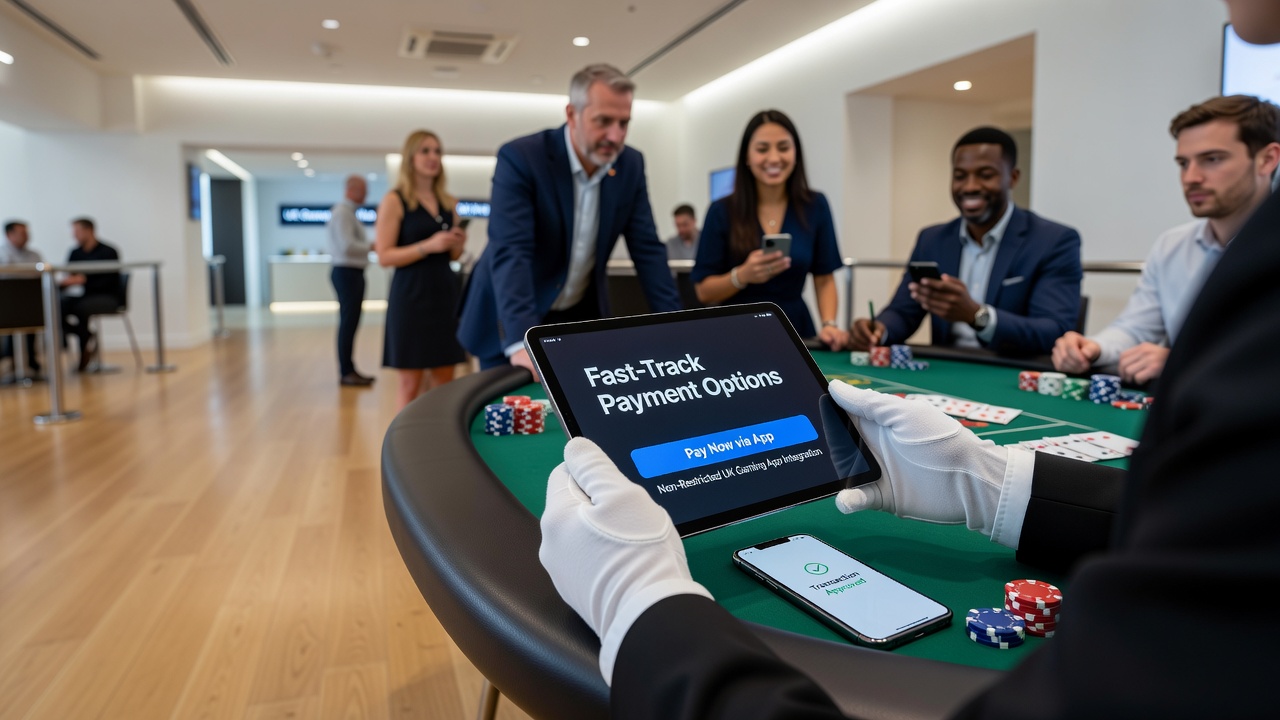
One case highlighted by industry analysts involved a platform that embedded billing confirmation within the dealer chat function so participants could authorize charges mid-hand and figures from similar deployments in other regions demonstrate that such features maintain transaction success rates above standard card methods during peak hours and observers note the pattern supports longer engagement at virtual tables where real-time interaction drives activity.
Fast-Track Options and Processing Speeds
Fast-track mechanisms rely on pre-approved carrier agreements that authorize instant credits once the user confirms via SMS or app notification and according to reports from the Canadian Radio-television and Telecommunications Commission this infrastructure handles high volumes of small-value transfers efficiently which suits the rapid pace of dealer table games and people who monitor these systems find that cashout requests processed through the same channel often complete within the same billing cycle.
Yet variations exist across networks where some operators cap daily limits to align with regulatory guidelines from bodies like the Nevada Gaming Control Board while others expand options for verified accounts and this diversity allows app developers to tailor fast-track paths that match different player profiles without uniform restrictions across the sector.
Market Patterns and User Behaviors
Market data compiled by academic researchers at institutions tracking digital entertainment trends shows increased use of phone-based funding in apps that offer unrestricted access to live dealer content and participants frequently combine these payments with promotional structures that reward initial deposits and the result appears in aggregated statistics where transaction volumes spike during evening hours when table availability peaks.
There's this case where developers adjusted billing flows after feedback from users in multiple regions leading to hybrid options that include both carrier charges and alternative methods and such adjustments reflect broader industry shifts documented in reports from the European Gaming and Betting Association which track how payment innovations influence participation rates at interactive tables.
Conclusion
The convergence of phone payments with dealer tables continues to evolve through technical refinements that prioritize speed and integration while drawing on established carrier networks to support non-restricted gaming apps and ongoing developments in October 2026 and beyond suggest further refinements in processing efficiency as operators respond to usage patterns across the UK market and similar environments.